Early Blight vs Late Blight: Spot the Difference
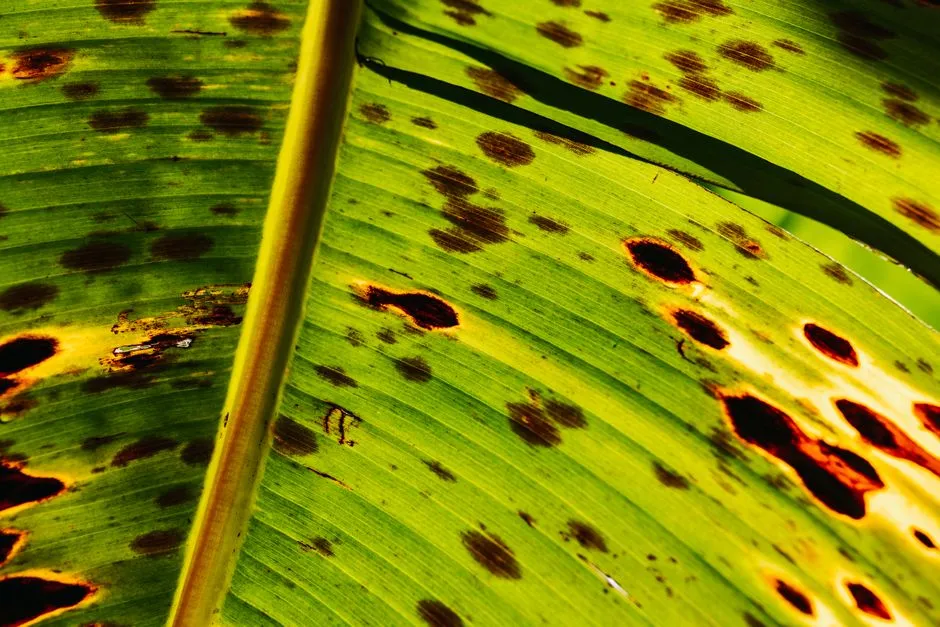
- Early blight makes targets; late blight looks water-soaked
- The names do not describe the calendar
- Early blight usually climbs from older leaves
- Late blight can move through the canopy fast
- Scout the whole plant once a week—and faster during alerts
- Manage early blight with layers
- Manage suspected late blight as a community problem
- Do not save questionable fruit for canning
- Separate blight from noninfectious disorders
- Read resistance labels narrowly
- Use urgency proportional to the pattern
Early blight makes targets; late blight looks water-soaked
Early blight and late blight are different tomato diseases. Early blight, caused mainly by Alternaria solani, often begins on older lower leaves as brown spots with concentric target-like rings and yellowing. Late blight, caused by Phytophthora infestans, can appear anywhere as fast-expanding pale green, greasy, or water-soaked lesions; white growth may form at lesion margins during humid weather.
Suspected late blight needs rapid local confirmation because it can spread quickly in favorable cool, wet conditions and affects both tomatoes and potatoes. “Late” does not mean you can put the diagnosis off until Thursday.
| Feature | Early blight | Late blight |
|---|---|---|
| Main organism | Alternaria solani and related Alternaria | Phytophthora infestans, an oomycete |
| Usual first pattern | Older, lower foliage | Any canopy level; outbreaks may arrive on wind |
| Leaf lesion | Brown, often with concentric target rings | Pale green to brown, water-soaked or greasy, rapidly enlarging |
| Yellowing | Common around lesions and lower canopy | Tissue browns and collapses rapidly |
| Humid-weather growth | Dark sporulation may occur | White downy growth near lesion margins, often underside |
| Fruit | Dark, sunken lesions, often near stem, with rings | Firm olive, greenish-brown, or dark lesions that enlarge |
| Favored pattern | Warm conditions with leaf wetness and stressed plants | Cool-to-mild, humid, wet conditions |
| Urgency | Important, often managed over time | Potential outbreak; seek fast confirmation |
The names do not describe the calendar
Early blight may appear early, but it often becomes most obvious as plants age, fruit load increases, and lower leaves face stress and splash. Late blight can arrive whenever inoculum and suitable weather coincide. It can occur earlier than early blight in a particular garden.
Diagnose by lesion pattern, canopy position, speed, weather, and laboratory or extension confirmation—not the month. A seed packet date is a poor plant pathologist and already has enough work explaining days to maturity.
Early blight usually climbs from older leaves
Small brown lesions appear on older lower foliage, then enlarge. Concentric dark rings create the characteristic bull's-eye or target pattern. Surrounding tissue may turn yellow, and heavily infected leaves can dry and fall.
Stem lesions can occur, including collar rot near the soil line on young plants. Fruit lesions are generally dark and sunken, often near the stem attachment, and may also show concentric rings. Defoliation exposes fruit to sunscald and reduces the plant's photosynthetic capacity.
The pathogen survives on infected tomato and potato residue, volunteers, seed, and related hosts depending on species and region. Soil splash and rain move spores onto lower leaves, while warm wet conditions support infection.
Early-blight look-alikes
Septoria leaf spot also begins on older lower leaves but usually makes many smaller circular spots with pale centers, dark margins, and tiny black fruiting bodies. Bacterial spot and speck can create small lesions, while nutrient stress and natural leaf aging can yellow lower leaves without target rings.
A target-like lesion is a strong clue, not permission to skip confirmation when management matters. Send photographs of both leaf surfaces and the entire plant to local extension.
Late blight can move through the canopy fast
Late-blight leaf lesions begin pale green, dark, water-soaked, or greasy-looking. They expand irregularly and turn brown to nearly black. In moist conditions, white downy sporulation may appear near the lesion edge, especially on the lower leaf surface in the morning.
Stems and petioles develop brown or black lesions that can girdle tissue and collapse growth above them. Fruit develops firm olive-green, brown, or dark greasy lesions that may enlarge across much of the surface. Secondary organisms can later soften the fruit.
Spores can move in wind and wind-driven rain. Infected potato tubers, volunteer potatoes, and infected tomato transplants can serve as early sources. Once favorable wet weather supports repeated cycles, the disease can escalate rapidly across gardens and farms.
Late-blight look-alikes
Cold injury, bacterial diseases, Botrytis, drought scorch, and other disorders can mimic dark or water-soaked tissue. Sunscald affects exposed fruit differently. Do not announce a regional outbreak from one photograph, but do not wait a week when late blight is plausible.
Check current extension disease alerts and submit a sample according to local instructions. Bag it before transport and avoid carrying wet infected tissue through other tomato or potato plantings.
Scout the whole plant once a week—and faster during alerts
Examine upper and lower leaf surfaces at the bottom, middle, and top of each plant. Check stems, petioles, flowers, green fruit, and ripe fruit. Include plants near wet spots and edges, but also sample the interior so confirmation bias does not build its own disease map.
Record:
- First date and canopy location.
- Lesion size, shape, margin, rings, and yellowing.
- White or dark growth in humid morning conditions.
- Speed of change over 24–48 hours.
- Recent rain, dew, overhead irrigation, and temperature.
- Symptoms on nearby potatoes, volunteers, or transplants.
Disinfect hands and tools between suspect areas as extension directs. Work when foliage is dry. Do not return a diagnostic cutting to the bed after it has enjoyed a tour of the kitchen counter.
Manage early blight with layers
Start with resistant or tolerant cultivars recommended for the region, while recognizing that resistance is not immunity and labeling varies. Buy healthy transplants and inspect them before bringing them home.
Rotate tomatoes, potatoes, eggplant, and related hosts away from the same bed for the locally recommended interval where space permits. Remove volunteer tomatoes and potatoes. At season end, dispose of infected residue according to extension guidance; a cool home compost pile may not destroy the pathogen reliably.
Mulch to reduce soil splash, water at the base, space and support plants for airflow, and avoid handling wet foliage. Maintain balanced fertility and consistent water so plants are not additionally stressed. Remove severely infected lower leaves only when dry and only if enough healthy canopy remains.
Fungicides protect healthy tissue; they do not turn dead spots green. Select only a product labeled for tomatoes and early blight in your location. Follow timing, protective equipment, reentry, preharvest, environmental, resistance-management, and disposal directions exactly.
Manage suspected late blight as a community problem
Contact local extension or a diagnostic lab immediately. Ask whether late blight is active in the region and how to submit photographs or tissue. Management depends on confirmation, severity, weather, cultivar, nearby potatoes, and current local recommendations.
When infection is severe, the whole plant may need prompt removal and destruction. Bagging, burial, municipal disposal, tarping, or other methods vary by jurisdiction and extension guidance. Do not place living infected tissue in ordinary compost or leave it in a cull pile.
Clean stakes, cages, tools, hands, and harvest containers as directed. Eliminate volunteer potatoes and manage cull potatoes so infected tissue cannot sprout. Never save affected potato tubers for seed.
Preventive fungicides may be part of a regional plan, but selection and timing are specialized and label-bound. Late-blight fungicide programs can differ from early-blight programs. “Tomato disease spray” is not a diagnosis.
Do not save questionable fruit for canning
Use only sound, firm, disease-free tomatoes for home canning. Late-blight and other disease damage can change tissue and invite secondary organisms; extension food-preservation guidance advises against canning affected fruit. Frost-killed-vine fruit is also unsuitable for canning.
Follow a current research-tested recipe, add acid exactly as required, and adjust processing for elevation. Heirloom, yellow, or “low-acid” marketing does not cancel acidification requirements.
For fresh eating, discard fruit that is moldy, leaking, foul-smelling, extensively diseased, or questionable. Plant pathogens do not generally infect people, but damaged tissue can host spoilage organisms. Do not taste a lesion to help with diagnosis; the laboratory has not requested that sacrifice.
Separate blight from noninfectious disorders
Blossom-end rot begins at the blossom end of fruit and relates to calcium delivery, often during uneven moisture. It does not create target spots on leaves. Tomato leaf curling can come from physiological stress, herbicide, virus, mites, roots, or nutrients, and curled green leaves alone do not prove blight.
Planting cold-stressed tomatoes early can create damaged foliage that muddies later diagnosis. Use frost and soil conditions to time planting and keep transplants separate from potatoes or tomatoes with suspicious spots.
Read resistance labels narrowly
A cultivar described as resistant to early blight may still develop symptoms under strong disease pressure, and that claim says nothing automatic about late blight. Likewise, late-blight resistance can be partial, strain-dependent, or described differently by seed sources. Read the disease code and breeder explanation, then compare with current local trials.
Plant several suitable cultivars when space permits, but keep the same sanitation, scouting, airflow, and watering practices. Genetic resistance is one layer in an integrated plan, not an invisible greenhouse roof. Never invent resistance from a cultivar name such as “rugged,” “mountain,” or “survivor”; tomatoes have marketing departments too.
Use urgency proportional to the pattern
Target-ring lesions rising slowly from older leaves point toward early blight and a layered sanitation, moisture, rotation, and protection plan. Fast water-soaked lesions on leaves, stems, or fruit during humid weather point toward late blight and a same-day call for local confirmation.
Both deserve accurate identification. Only one arrives with the unsettling habit of making yesterday's plant photograph look historically optimistic.